
When you’ve invested time, money, and love into finishing your basement, the last thing you want is for water issues to undermine your hard work. Homeowners often question the necessity of a sump pump in a finished basement. The answer isn’t always straightforward, but understanding the reasons behind basement moisture, how sump pumps can help prevent water problems, and the installation and maintenance process can guide your decision.
Why Do Basements Get Wet and Flood?
Basements can become vulnerable to moisture and flooding for many reasons, ranging from natural groundwater levels to structural vulnerabilities. Pinpointing the specific cause of wetness in your basement is the first step toward finding an effective solution to keep it dry and protected. The primary reasons for water problems in basements include:
- Leaks – These can occur because of problems with the plumbing system. Additionally, windows and doors without tight seals can allow water to enter, leading to potential water damage and other related problems. These issues represent short-term challenges that can be quickly resolved.
- Poor Ventilation – Bathrooms, kitchens, and clothes dryers are familiar sources of humidity in a basement. When these areas lack proper ventilation, the excess moisture they generate cannot escape, so it accumulates, leading to dampness and condensation on the walls. This environment is conducive to mold growth, poor air quality, and structural damage.
- Hydrostatic Pressure – This occurs when water accumulates in the soil around a home’s foundation. The build-up of moisture increases the force exerted against a basement’s walls and floor and is a leading cause of basement water problems. When the pressure becomes too high, it can push water through even the tiniest crevices in the foundation, leading to moisture in the basement. This pressure can even contribute to cracks and bowing of a basement’s walls and floor, compromising the structural integrity of the building. Over time, these compromised areas can become pathways for water to enter the structure, resulting in a wet basement. This condition can escalate if left unaddressed, leading to more severe issues like flooding, damaging the building’s interior, foundation, and overall stability.

How Do Sump Pumps Prevent Basement Flooding?
Sump pumps are a vital part of a basement’s drainage system. Sump pumps are installed at the basement’s lowest point and work in tandem with a specially designed drainage system, like an interior or exterior drain tile system. This system typically includes a series of drain pipes installed around the perimeter of the basement floor or beneath it. These pipes collect excess water from the soil surrounding the foundation, channeling it into a sump pit—the designated collection area for this water. Once the water in the sump pit reaches a certain level, the pump automatically activates. It then pumps the water out of the pit and away from the home through a discharge line, effectively preventing basement flooding and mitigating the risks associated with water damage. This system is particularly effective against soil over-saturation and hydrostatic pressure on your basement walls and floor.
When Should You Install a Sump Pump in Your Basement?
A sump pump might be worth considering if you want to protect your home from water damage. Here are some situations where installing a sump pump could be beneficial:
- History of Basement Flooding – If you’ve experienced basement flooding in the past, it’s crucial to be proactive in preventing future incidents. This history indicates that your property is vulnerable to water intrusion. Taking preventative measures can help mitigate the risk of damage and costly repairs.
- Location – Living in an area with a high water table or one prone to flooding and heavy precipitation means your property is at increased risk for water damage. Such locations naturally accumulate more water, which can over-saturate the soil and seep into basements. Proper drainage and waterproofing measures are essential in these environments.
- Soil-Type – Properties with clay-based soil face unique challenges because this type of soil retains water, increasing the risk of water logging and foundation damage. The slow drainage can exacerbate water accumulation around your home, requiring specialized landscaping and drainage solutions to combat the issue.
- Finished Basement – If you plan to finish your basement or it is already completed, protecting this investment becomes even more critical. A finished basement adds significant value to your home, but without proper waterproofing, it risks water damage. Waterproofing measures can safeguard your investment and ensure your basement remains functional and enjoyable.
How Is a Sump Pump Installed in a Basement?
Installing a sump pump and a corresponding drainage system is crucial in keeping your basement safe and dry. Here is how it is typically done:
- Assessment and Planning – A professional evaluates your basement to determine the best location for the sump pump and the route for the drainage system. This is a crucial step to ensure efficiency in water management.
- Installing Drain Pipes – Perforated drain pipes are placed below grade along the basement perimeter and under the floor. Installation usually involves breaking up part of the concrete floor and potentially excavation around the basement. These pipes collect groundwater and channel it toward the sump pit. The pipes may be laid on a gravel bed to improve filtration and water flow.
- Setting Up the Sump Pit – A sump pit, also known as a basin, is installed at the lowest point of the basement and collects water from the drain pipes.
- Connecting the Sump Pump – The pump is installed in the pit and connected to a discharge pipe. When the water reaches a preset level, the pump turns on and pushes it out through the discharge pipe, routing the water away from your home’s foundation.
- Covering and Sealing – Once the system is in place, the trench is filled with gravel to cover the pipes. A new layer of concrete is poured over the gravel to seal the system and restore the floor’s appearance.
- Testing the System – The final step involves testing the sump pump and drain tile system to ensure they work correctly. This is done by pouring water into the pit until the pump activates and discharges the water.
Note: Choosing the best sump pump for your basement requires careful consideration. Find out our top sump pump recommendations.
Can a Sump Pump Be Installed After a House Is Built?
Absolutely. While it’s easier and more cost-effective to install a sump pump and drainage system during construction or at least before renovating your basement, adding these crucial water management systems to an already finished basement is possible. The process might be more challenging, but with a reputable basement waterproofing company, you can rest assured of a seamless installation experience.

Signs Your Finished Basement May Have Water Issues
Catching water problems early can save time, money, and stress. It’s crucial to be vigilant and aware of the early signs that indicate issues. Look out for the following indicators:
- Dampness or humidity
- Musty odors pointing to mold growth
- Visible mold, mildew, or rust
- Water stains or pooling water
- Peeling paint or wallpaper
- Leaks
If you suspect water issues in your finished basement, it’s imperative to call a professional waterproofing expert immediately. Attempting to diagnose or resolve water intrusion and damage alone can lead to inadequate solutions that only provide temporary relief. A professional can conduct a thorough assessment to identify the root cause of the problem and recommend durable, long-term solutions.
How to Maintain Your Sump Pump
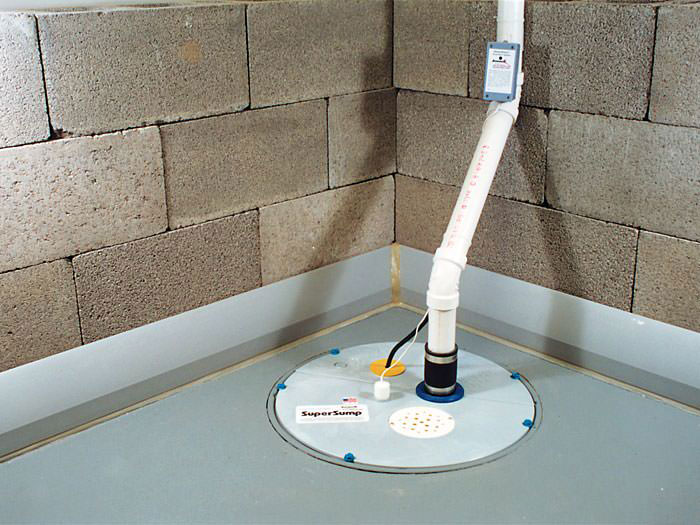
Routine maintenance is crucial for ensuring your sump pump remains efficient. Regular checks and upkeep help prevent malfunctions and prolong the pump’s life. Ensure you adhere to the following maintenance procedures:
- Regularly clean the sump pit.
- Test the pump at least once a year by pouring water into the pit until the pump activates.
- Check the discharge line to ensure it’s clear of obstructions.
- Inspect the backup power source (if applicable) to ensure reliability during power outages.
Protecting Your Basement Investment
Considering a finished basement’s significant role in your home’s overall value and livability, a sump pump is a wise investment, especially in areas prone to moisture and flooding. Not only does it protect against water damage, but it also contributes to a healthier home environment and safeguards the structural integrity of your foundation.
If you’re unsure about the condition of your basement or the need for a sump pump, contact Regional Foundation and Crawl Space Repair for a free basement inspection and sump pump installation quote. Our experts are ready to assist you in ensuring your finished basement remains dry, safe, and enjoyable for years.