
Water entering your basement at the point where walls meet the floor is a common but frustrating problem for many homeowners. This issue often signals underlying drainage or foundation concerns that, if ignored, can lead to costly structural issues and health risks from mold growth. Understanding why and how to fix this is key to safeguarding your home. In this article, we’ll explore the causes of water intrusion, its risks, and proven solutions to keep your basement dry and protected.
The Causes Of Basement Water Intrusion
Water entering the basement where walls meet the floor is a common issue caused by natural forces and structural weaknesses. This problem often starts with how water interacts with the foundation, leading to moisture, leaks, and potential damage. Several factors outside your home can cause water to pool at the foundation and find its way inside. Properly waterproofing basement walls and addressing these causes can prevent leaks and long-term damage.
Poor Drainage Systems
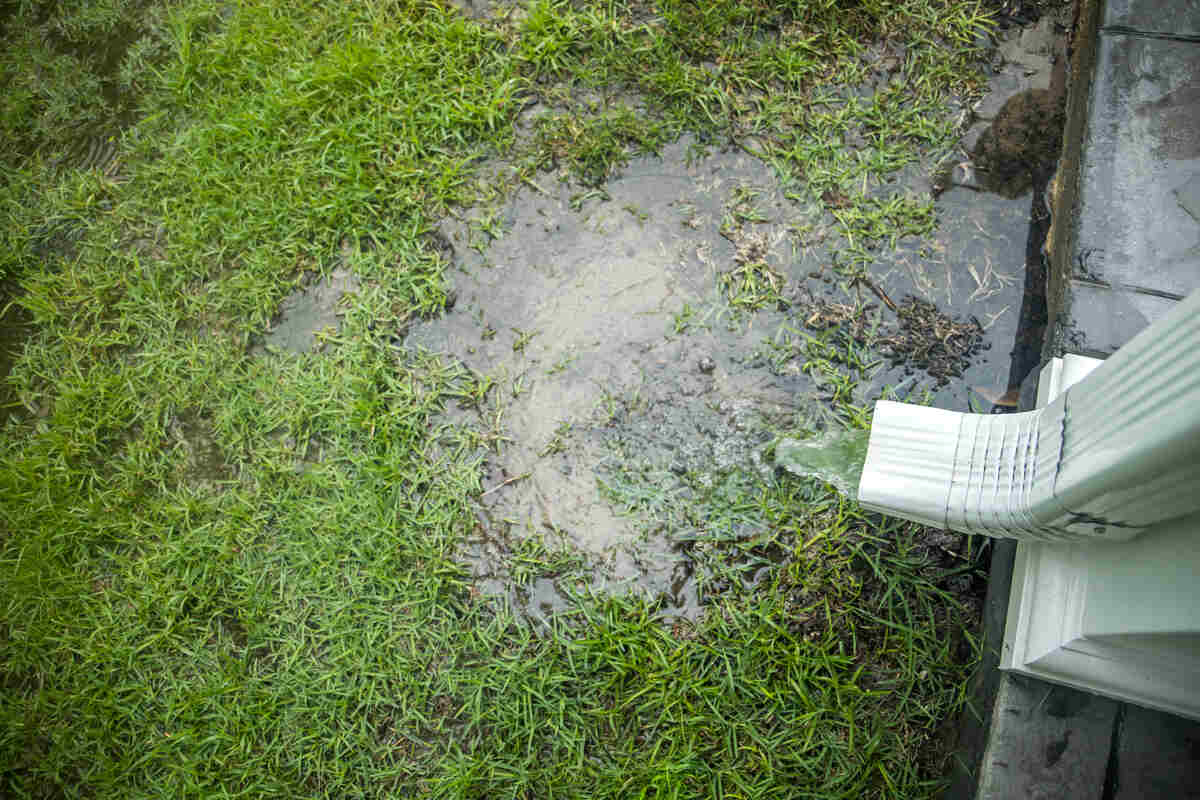
According to the University of Minnesota, during a 1-inch rainstorm, approximately 1,250 gallons of water can flow onto the roof of a 2,000-square-foot house. If the property lacks proper drainage, much of this water can end up near the foundation and seep into the basement.
When these systems fail, water pools around the home, leading to basement leaks.
- Clogged Gutters: Leaves, debris, and dirt can block gutters, preventing rainwater from flowing away from the house. This causes water to overflow and collect near the foundation.
- Improper Downspout Placement: Downspouts that are too short or directed toward the home allow water to saturate the soil near the foundation, increasing hydrostatic pressure and the likelihood of seepage.
- Damaged or Missing Drainage Pipes: If drainage pipes around the foundation are cracked, collapsed, or nonexistent, they can’t effectively carry water away, leading to pooling and pressure buildup.
Hydrostatic Pressure

Hydrostatic pressure happens when groundwater builds up around the foundation. This pressure builds after heavy rain or snowmelt as saturated soil pushes water against the basement walls and floor. The area where the wall meets the floor is especially weak, making it a common entry point for water. Concrete’s porous nature also allows water to penetrate, even with no visible cracks, making the issue more challenging to detect and manage. Seasonal flooding or a rise in the water table can worsen this problem, increasing the risk of water intrusion.
Foundation Settlement And Cracks
Over time, homes naturally settle. This movement causes tiny cracks in the foundation. These cracks act as pathways for water, especially when combined with hydrostatic pressure. The area where the walls meet the floor is particularly vulnerable. As the foundation shifts, these areas become weaker, making it easier for water to seep through.
Absence Or Failure Of A Waterproofing System
A basement without proper waterproofing is highly susceptible to water intrusion. Even homes with existing systems may experience issues if they aren’t maintained or are poorly installed.
- No Exterior Waterproofing: Homes without exterior waterproofing membranes or coatings lack the first line of defense against water entering through walls.
- Failing Interior Drainage Systems: An interior drainage system, such as a French drain, manages water inside the basement. This system can no longer prevent water buildup if it clogs or breaks down.
- Old or Worn-Out Sump Pumps: A sump pump removes water from the basement, but if it fails due to age, power outages, or mechanical issues, water will accumulate quickly.
- Missing Vapor Barriers: Vapor barriers help prevent moisture from seeping through walls and floors. Without them, water vapor can condense inside the basement, leading to damp conditions and eventual leaks.
Dangers Of Ignoring Basement Water Seepage

Basement water seepage is a serious issue that can result in structural problems, health risks, and financial losses. Ignoring it worsens the damage over time, increasing the cost and effort required to fix it.
Structural Damage To The Foundation And Walls
Water seepage weakens the foundation by causing cracks in walls and floors. Over time, the pressure from water can push basement walls inward, leading to bowing or collapse. Water also erodes the soil beneath the foundation, causing uneven settling. These issues threaten the stability of the entire home and often require expensive repairs.
Increased Risk Of Mold Growth
A damp basement creates the perfect conditions for mold to grow. Mold damages wood, drywall, and other materials while releasing spores into the air. These spores can cause respiratory complications and allergies, especially those with asthma or weakened immune systems. If ignored, mold can spread throughout the home, worsening the damage and increasing health risks.
Loss Of Property Value
Homes with basement water problems lose value. Visible signs of water damage, mold, or musty odors make it harder to sell the property. Even after repairs, the home may carry a stigma, reducing its appeal to buyers and lowering its market value.
4 Proven Solutions For Basement Waterproofing

Basement waterproofing systems protect your home from water damage, structural problems, and mold. Knowing how to fix basement leaks involves using proven methods to manage water pressure and prevent seepage effectively.
- Interior Drainage Systems: Interior drainage systems help control hydrostatic pressure. These drainage systems are installed along the perimeter of the basement floor to collect water before it enters the living space. French drains are a common solution that captures water and redirects it to a sump pump. This method effectively manages basement water leaks and keeps the area dry.
- Sump Pump Systems: Sump pumps remove collected water from the basement. Installed in a sump pit, they work with drainage systems to expel water outside the home. Modern sump pumps include backup options to ensure they work even during power outages. These systems are crucial for homeowners looking for reliable ways to prevent leaks.
- Vapor Barriers and Waterproof Coatings: Vapor barriers and waterproof coatings effectively stop water intrusion. Vapor barriers block moisture from passing through walls and floors, while waterproof coatings seal the foundation’s surface. These methods are commonly used for waterproofing basement walls from the inside and provide an extra layer of protection against dampness and mold.
- Foundation Crack Repairs: Cracks in the foundation allow water to enter the basement. Fixing these cracks with epoxy or polyurethane injections prevents further leaks and strengthens the foundation. If you are wondering how to repair basement wall leaks, addressing cracks early is one of the most effective steps to stop water intrusion.
Preventive Measures To Avoid Basement Leaks
Taking proactive steps can prevent basement leaks and protect your home from water damage. Regular maintenance and early waterproofing measures are essential for keeping your basement dry and secure.
Routine Inspection And Maintenance
Maintaining exterior drainage systems is the first line of defense against water intrusion. Clean gutters regularly to clear leaves and debris that can block water flow. Ensure downspouts direct water at least 6–10 feet away from the foundation to prevent collecting near the base of the home. Check the grading around your property, ensuring the ground slopes from the foundation to direct water away from the house.
Proactive Installation Of Basement Waterproofing Systems
Installing waterproofing systems before problems develop is a smart investment. Interior drainage systems, sump pumps, vapor barriers, and waterproof coatings can prevent water from seeping into your basement. Sealing foundation cracks early further reduces the risk of leaks. Proactive waterproofing protects your home, saves repair costs, and provides long-term peace of mind.
Stop Basement Leaks Before It Becomes A Bigger Problem
Water intrusion in your basement, especially at the critical junction where walls meet the floor, is more than just an inconvenience—it threatens your home’s integrity and your family’s health. With expert solutions like basement water leak repair, interior drainage systems, sump pumps, and vapor barriers, you can prevent costly repairs and enjoy peace of mind.
Regional Foundation & Crawl Space Repair specializes in protecting homes from water damage, offering tailored solutions backed by industry expertise. Don’t wait for minor leaks to become major problems—contact us today for a free inspection and professional guidance!