
Floor joists are crucial in supporting your home, holding up everything from furniture to foot traffic. But over time, they can weaken from issues like moisture, wood rot, or just plain wear and tear. When that happens, it can risk your home’s safety and stability. In this article, we’ll show you how to spot the warning signs of weak floor joists and share practical ways to reinforce them from underneath. You can keep your home safe, protect its value, and avoid bigger problems with the right approach.
What Are Floor Joists And Why Are They Crucial For Your Home’s Structure?
According to the Occupational Safety and Health Administration, floor joists are placed directly on foundation or framed walls. They are a key part of your home’s structural framework, positioned horizontally beneath your floors. They run between your home’s foundation walls, beams, or supporting posts, forming a grid-like network that provides a sturdy base for the flooring above. These beams are typically hidden from view, located in basements, crawl spaces, or between the layers of multi-story homes.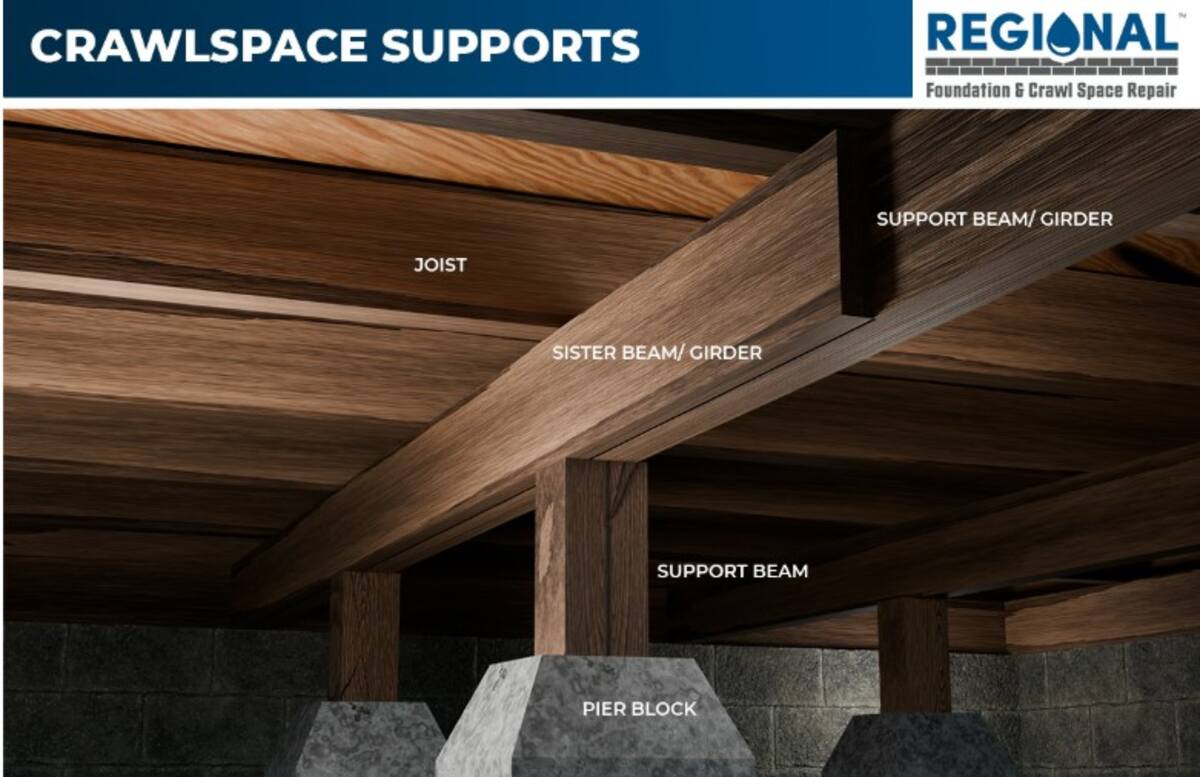
Where Are Floor Joists Located?
- In Crawl Spaces: For homes without basements, floor joists are located in the crawl space, spanning from the foundation walls to support beams.
- In Basements: Floor joists are often directly above the basement ceiling, supporting the first floor of your home.
- Between Floors: In multi-story homes, floor joists are found between the ceiling of one floor and the floor above, providing support and separating the living spaces.
What Do Floor Joists Do?
- Support Weight: Floor joists distribute the weight of everything above them, from furniture and appliances to people and structural components. This ensures your floors remain sturdy and level.
- Prevent Sagging: By spanning the space between walls or beams, joists keep floors from sagging or bowing under pressure.
- Stabilize the Structure: Joists help maintain the overall stability of your home, working with other structural elements to keep everything secure and balanced.
- Provide a Base for Flooring: Joists are the foundation for flooring materials, such as hardwood, tile, or carpet, creating a solid platform for the finished floor above.
Signs Your Crawl Space Floor Joists May Need Reinforcement

Floor joists are essential for maintaining a stable and safe home. When they weaken, you might notice several signs that indicate it’s time to take action. Here are the most common warning signs:
- Sagging or Uneven Floors: Floors that slope, dip, or feel uneven can mean the joists no longer provide proper support.
- Creaking or Movement When Walking: If your floors creak or feel bouncy underfoot, it could indicate the joists are weak or shifting.
- Cracks, Splits, or Wood Rot: Visible cracks, splits, or signs of wood rot in exposed joists are serious indicators of damage. Wood rot, in particular, weakens the structural integrity of the joists and requires immediate attention.
- Gaps Between Floors and Walls: When joists sag, gaps may form where the floor meets the wall.
- Doors and Windows Not Closing Properly: Misaligned or sticking doors and windows can result from structural shifts caused by weakened joists.
- Moisture or Mold in Crawl Spaces: Dampness or mold growth in areas with floor joists can weaken the wood and compromise its strength.
- Increased Noise Over Time: The joists may loosen or deteriorate if your floors creak more than usual.
- Floor Deflection Under Heavy Items: Noticeable dips under furniture or appliances can indicate overstressed joists.
- Signs of Pest Damage: Evidence of termites or carpenter ants indicates that the joists need attention.
Top Methods To Strengthen Floor Joists From Beneath
Weakened floor joists can cause structural problems in your home, but there are proven methods to restore their strength and stability. Here’s a look at the best techniques for strengthening floor joists from below, addressing issues like sagging floors, cracked joists, and rotted wood.
- Installing Support Beams or Posts: Adding support beams or crawl space support posts beneath the joists helps redistribute weight evenly across the structure. This method is handy for long spans of joists or areas bearing heavy loads. Properly placed supports reduce sagging and provide additional reinforcement, making them a key step in effectively reinforcing floor joists.
- Using Steel Reinforcements: Steel or floor joist repair plates can be attached to damaged or weakened joists to increase durability and load-bearing capacity. Steel is resistant to moisture and pests, making it a long-lasting solution for cracked floor joist repair or strengthening areas prone to stress.
- Subfloor Replacement or Repair: If the subfloor above the joists is damaged, replacing or reinforcing it can improve overall support. This approach often combines with other methods to address surface and structural issues, ensuring a sturdy and even flooring system. Subfloor repair also complements sagging floor joist repair, providing comprehensive stability.
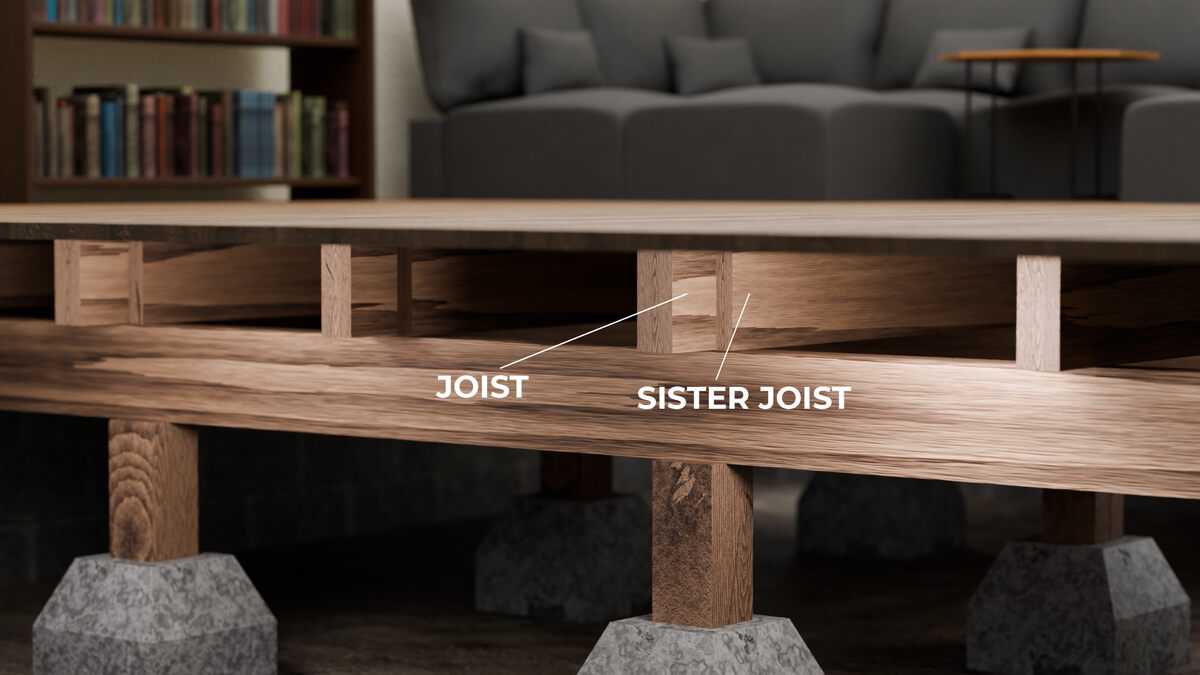
- Sistering Joists: Sistering involves attaching a new joist alongside the existing one to provide additional strength. This method is ideal when the original joist is partially damaged but still salvageable. Sistering is one of the most common techniques used in sagging floor joist repair, as it restores stability and helps level the floor.
- Repairing Wood Damage to Restore Joist Integrity: When joists are damaged by wood rot, cracks, or pests, wood damage repair is critical. Professionals remove compromised areas and reinforce them with new wood or composite materials or add crawl space support to repair or strengthen rotted floor joist sections. This ensures the joists retain their load-bearing strength and prolongs the structural stability of your home.
Preventing Crawl Space Joist Issues With Regular Maintenance And Waterproofing
Maintaining the health and strength of your floor joists is essential to ensure your home’s long-term stability and safety. Preventive measures can help you prevent costly repairs and protect your joists from damage caused by moisture, mold, and other issues.
Here are the key steps to keep your floor joists in top condition:
- Regular Inspections to Catch Issues Early: Frequent inspections are the first defense against joist problems. You can identify potential joist issues before they worsen by checking for signs of sagging, cracks, or rot. Early detection allows for prompt foundation repairs, such as cracked floor joist repair or reinforcing weak areas, preventing structural deterioration.
- Keeping Floor Joists with Waterproofing Solutions: Moisture is a major enemy of floor joists, leading to wood rot and mold growth. Waterproofing your crawl space is one of the most effective ways to protect your joists. Solutions like dehumidifiers, vapor barriers, and drainage systems keep the area dry and safeguard joists from excess moisture, extending their lifespan.

- Performing Mold Remediation: Mold damages wood and poses health risks to your family. Professional mold remediation is essential if mold forms due to damp conditions. Removing mold and addressing its source ensures that your joists remain strong and healthy, preventing future damage.
- Scheduled Maintenance to Reinforce Protection: Routine maintenance, including sealing cracks, repairing damaged joists, and replacing weakened components, keeps your floor joists strong. Combining these crawl space repairs with preventive measures, such as floor joist repair plates or sistering, ensures your flooring system remains stable.
The Benefits Of Strengthening Floor Joists For Homeowners

Reinforcing your floor joists offers many advantages, ensuring your home remains safe, stable, and valuable.
Here’s why addressing joist issues is a smart decision:
- Improved Safety and Stability: Strengthening floor joists eliminates risks like uneven floors or weak spots, making your home safer for everyday activities. A stable foundation ensures your family can move around confidently without concerns about structural weaknesses.
- Preventing Long-Term Structural Damage: Addressing weak or damaged joists early helps avoid more serious problems, such as sagging floors or compromised walls. Reinforcements stop minor issues from becoming more extensive, more costly repairs in the future, protecting your home’s overall structure.
- Enhancing the Home’s Market Value: A well-maintained and structurally sound home is more appealing to potential buyers. Reinforcing the floor joists improves functionality and boosts property value by showing that the home is well-cared for and free of major issues.
Take The First Step Toward A Safer, More Stable Home
Strengthening your floor joists is important to protect your home’s structure and stay stable for the long haul. Taking care of joist issues early can stop bigger problems from developing, make your home safer, and help preserve its value. If you’re dealing with sagging floors or other structural worries, Regional Foundation & Crawl Space Repair is here to help. Our team delivers expert solutions designed to meet your specific needs. Reach out to us today to schedule an inspection—we’ll work with you to reinforce your home and give you peace of mind for the future.