
Crawl space vents are a common feature in many homes, but their role during winter often sparks confusion. Should they stay open to promote air circulation or closed to protect against cold air and moisture? Making the right choice can significantly impact your home’s energy efficiency, structural health, and indoor air quality. In this article, we’ll explore the effects of crawl space vents in winter, offer expert advice, and guide you toward the best solutions for a healthier home.
What Are Crawl Space Vents And Why Do They Matter?

Crawl space vents are designed to allow air to flow beneath a home, especially in houses with a crawl space foundation. These small openings are typically installed in the perimeter walls of the crawl space and can be adjusted to open or close based on the season. Their primary purpose was historically to reduce moisture buildup by promoting crawl space ventilation. This approach aimed to protect against problems like wood rot, mold, and mildew, which thrive in damp environments.
However, the effectiveness of crawl space vents has been questioned in modern construction practices. While they can provide ventilation, they may also introduce challenges, particularly in certain climates or during specific seasons:
- Moisture Problems: In humid climates or rainy seasons, vents can allow moist air to enter, leading to condensation and increased humidity levels in the crawl space. This creates an environment where mold and pests can flourish.
- Energy Efficiency: During winter, open crawl space vents can let cold air seep in, causing heat loss from the floors above and increasing energy costs.
- Air Quality Issues: Crawl spaces often buffer between the ground and living areas. Poorly managed vents can allow dust, allergens, or even harmful gases like radon to circulate into the home.
The Impact Of Open Crawl Space Vents In Winter
Open crawl space vents in winter can introduce a host of problems for your home, many of which stem from the unchecked entry of cold air and moisture into the crawl space.
Here’s how they can affect your home:
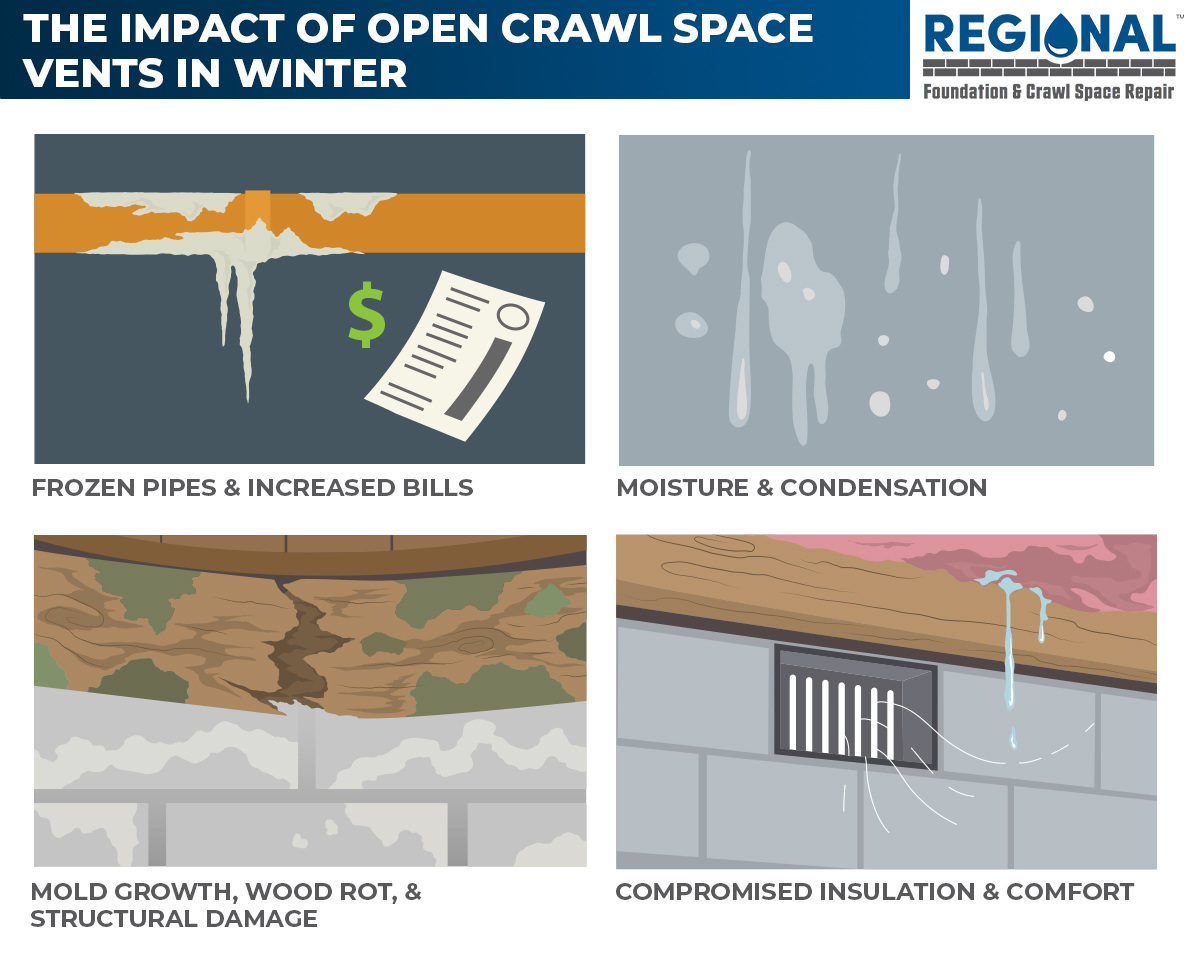
- Frozen Pipes and Increased Energy Bills
Cold air entering through open vents during winter can cause temperatures in the crawl space to plummet. This significantly raises the risk of water pipes freezing and bursting, leading to costly repairs. Additionally, the cold air cools the floors above, forcing your heating system to work harder, which drives up energy bills.
- Moisture and Condensation
According to the U.S. Environmental Protection Agency (EPA), the amount of moisture air can hold depends on its temperature—colder air holds less moisture. As temperatures drop, moisture condenses on cold surfaces, such as the inside of windows, forming visible water droplets. This principle also applies to crawl spaces in winter. When warm indoor air meets cold surfaces in the crawl space, condensation creates a damp environment that fosters mold and mildew growth. Over time, this can compromise indoor air quality and pose health risks.
- Mold Growth, Wood Rot, and Structural Damage
Moisture from condensation doesn’t just foster mold—it can also seep into wooden structural components. Over time, this can result in wood rot, weakening the foundation and causing long-term structural issues. Open vents exacerbate these problems by allowing more moisture to circulate freely.
- Compromised Insulation and Comfort
In poorly managed crawl spaces with open vents, insulation can become damp or ineffective, reducing your home’s energy efficiency and comfort. This is especially problematic in homes with crawl spaces directly beneath living areas.
Should You Keep Crawl Space Vents Open Or Closed In Winter?
When it comes to crawl space vents, this season raises an important question: should they crawl space vents open or closed in winter? The answer depends on your home’s needs, climate, and how well your crawl space is managed. Let’s explore the options to help you make the right choice.
Why Closing Crawl Space Vents In Winter Makes Sense
In most cases, closing crawl space vents during winter is the smarter option. Open vents allow cold air to flow freely into the crawl space, which can lead to frozen pipes, heat loss, and higher energy bills. They allow moisture-filled air to enter, condensing on cold surfaces and creating an ideal mold and mildew growth environment. Sealing your vents keeps your crawl space warmer, reduces energy waste, and protects your home from potential moisture damage.
What To Consider Based On Your Home And Climate
Your local climate and the condition of your crawl space play a big role in deciding whether to close vents. In cold, humid regions, closed vents best prevent cold air and moisture from wreaking havoc. However, homes with existing moisture problems might need additional measures, like vapor barriers or crawl space dehumidifiers, to fully control the environment. Without these solutions, closing vents alone may not address the issue.
Are There Exceptions?
Yes, there are situations where leaving crawl space vents open might be necessary. For example, if your crawl space is vented and lacks insulation, open vents can help circulate air and prevent musty odors or stale air from building up. Even in these cases, it’s essential to pair venting with proper crawl space moisture control to avoid long-term problems.
Best Practices For Crawl Space Maintenance In Winter
Winter can be tough on your crawl space, but taking the right steps can protect your home from cold air, moisture, and structural damage. Here are the best practices for maintaining a healthy crawl space during the colder months.
Seal And Insulate Your Crawl Space
One of the most effective ways to protect your crawl space in winter is by sealing and insulating it. Cold air entering unsealed areas can lead to heat loss, frozen pipes, and increased energy costs. Adding crawl space insulation to the walls and floors helps maintain a stable temperature while sealing cracks and openings prevents drafts and moisture intrusion.
To take it a step further, seal your vents with crawl space vent covers. This prevents cold air and dampness from entering, preserving the health of your crawl space and the rest of your home.

Encapsulation And Vapor Barriers
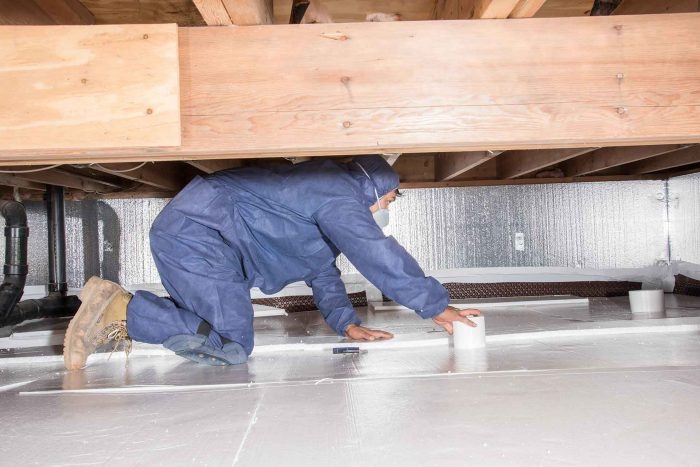
Encapsulation is another proven method for crawl space maintenance. This process involves covering the floors and walls with a heavy-duty moisture barrier to create a moisture-proof seal. Crawl space encapsulation blocks outside air and eliminates ground moisture, lowering the risk of mold and mildew.
Vapor barriers work hand-in-hand with encapsulation, providing extra protection against water vapor seeping through the soil. Together, they help maintain a clean, dry, and energy-efficient crawl space.
Use Dehumidifiers And Sump Pumps
Even with proper sealing and encapsulation, humidity can still become an issue in certain climates. Crawl space dehumidifiers are designed to remove excess moisture, keep the area dry, and prevent mold growth. Pairing a dehumidifier with a sump pump ensures water from heavy rains or leaks is efficiently removed, avoiding pooling and long-term damage.

Why Professional Crawl Space Solutions Are Worth It
Crawl space maintenance can be tricky, requiring more than just a DIY approach. Professional expertise ensures your crawl space is properly cared for and optimized for long-term performance.
Here’s why working with professionals is a smart investment:
- Energy Savings and Better Indoor Air Quality: Professionals know how to seal and insulate your crawl space to create a more energy-efficient home. By preventing drafts and regulating temperatures, you’ll reduce energy waste and see a noticeable drop in utility bills. Additionally, professional solutions control moisture and eliminate conditions that promote mold and allergens, significantly improving indoor air quality for you and your family.
- Protection Against Structural Damage: Excess moisture in crawl spaces can cause wood rot, weaken support beams, and compromise your foundation. Professionals have the tools and experience to address these issues with solutions like vapor barriers, encapsulation, and drainage systems. Stopping moisture at its source helps protect your home’s structure from long-term damage.
- Defense Against Pests and Infestations: A damp and poorly maintained crawl space is an open invitation for pests like termites, rodents, and insects. Professionals eliminate the conditions that attract these unwanted guests by sealing cracks, managing moisture, and creating a dry, inhospitable environment for pests. This proactive approach helps keep your home safe and pest-free.
Invest In A Dry, Safe Crawl Space This Winter
Managing crawl space vents during winter is more than just a seasonal chore—it’s critical to protecting your home’s structure, energy efficiency, and air quality. Whether you close the vents or invest in professional crawl space encapsulation, taking proactive steps now can save you costly repairs later. Contact Regional Foundation & Crawl Space Repair today to learn how our expert solutions can safeguard your crawl space and keep your home comfortable year-round.
For more insights on protecting your crawl space and foundation, check out these blogs: Your Complete Guide to Crawl Space Vent Covers to learn how vent covers manage moisture and airflow, and Sealed vs. Vented Crawl Spaces: Which Is Right for Your Home? for a clear comparison to help you choose the best option for your home. Stay informed and keep your home safe!