
Have you ever worried about snowmelt or heavy rains flooding your basement during winter?
You’re not alone. Many homeowners face this problem, especially when drainage systems can’t handle excess water. The good news? A reliable sump pump can make all the difference. It works behind the scenes to keep water out of your basement, protecting your home and giving you peace of mind.
In this blog, we’ll explain why you should invest in a sump pump for winter use and how to ensure yours is ready when needed.
Snowmelt And Poor Drainage: Why Basements Flood In Winter
Have you ever noticed water pooling around your home as the snow melts? Or maybe you’ve dealt with a damp, musty basement after heavy winter storms? These are common signs that your home might be vulnerable to flooding. Snowmelt and poor drainage are two of the biggest culprits. Understanding how they affect your home can help you avoid potential water damage.
Snowmelt: A Common Threat To Your Basement
If you live in North Carolina, you know how unpredictable winter can be. Some days feel like spring, while others bring freezing temperatures and snow. According to the North Carolina State Climate Office, snowfall isn’t guaranteed every year, but many areas see anywhere from a light dusting to several inches. In the western mountains, snow is more common, with freezing temperatures almost daily during winter.
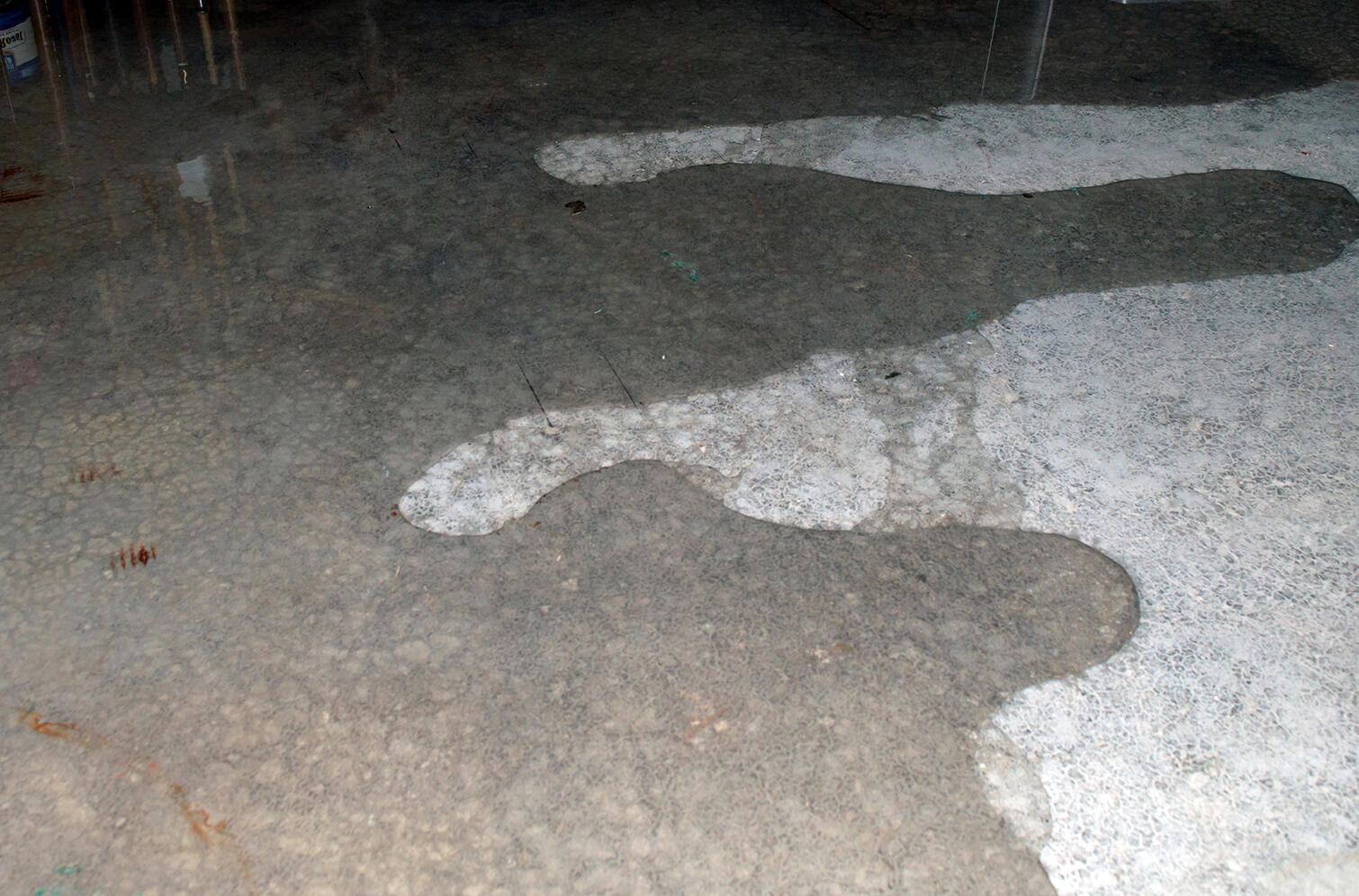
Now, think about what happens when that snow starts to melt. All that water has to go somewhere. It can penetrate your basement if it collects around your home, especially if you have foundation cracks or weak wall spots. Whether you see snow every winter or just occasionally, snowmelt can quickly become a problem. That’s why it’s so important to prepare snowmelt flood solutions.
Poor Drainage Is So Important: Is Your Home Prepared For Winter Water?
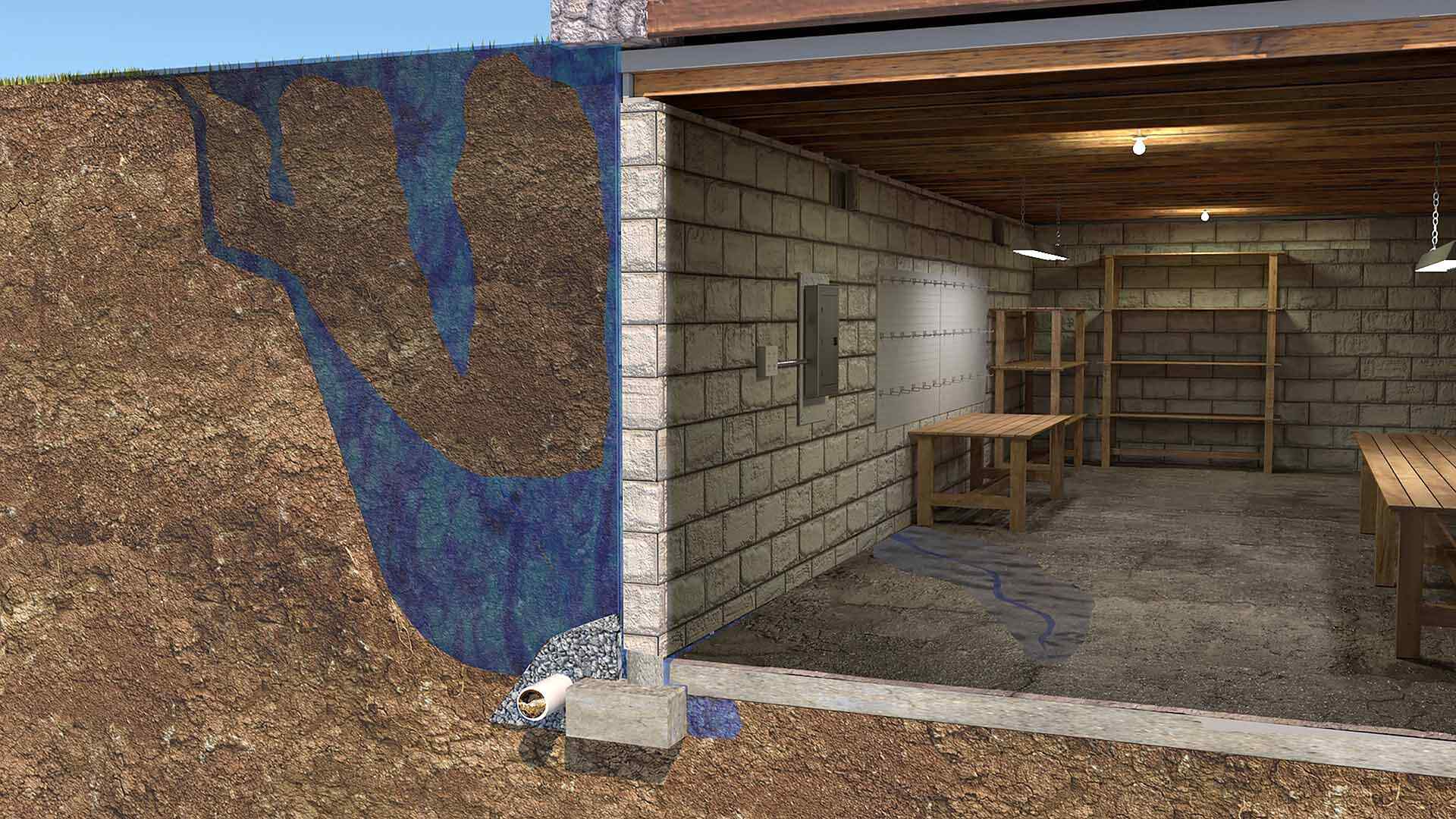
Have you ever considered how much water your roof sheds during a rainstorm? According to the University of Minnesota, a 2,000-square-foot house can collect about 1,250 gallons of water from just 1 inch of rain. Now imagine that same volume of water during winter when snow melts combined with heavy rains. If your gutters, downspouts, and yard grading aren’t directing that water away from your home, it can quickly pool around your foundation and seep into your basement.
To make matters worse, seasonal site conditions and flooding can cause the below-grade water table to rise. This puts even more pressure on your foundation, forcing water through cracks or poorly sealed areas. Your basement becomes vulnerable to leaks, dampness, and flooding without proper drainage.
How Sump Pumps Keep Your Home Safe From Water Damage
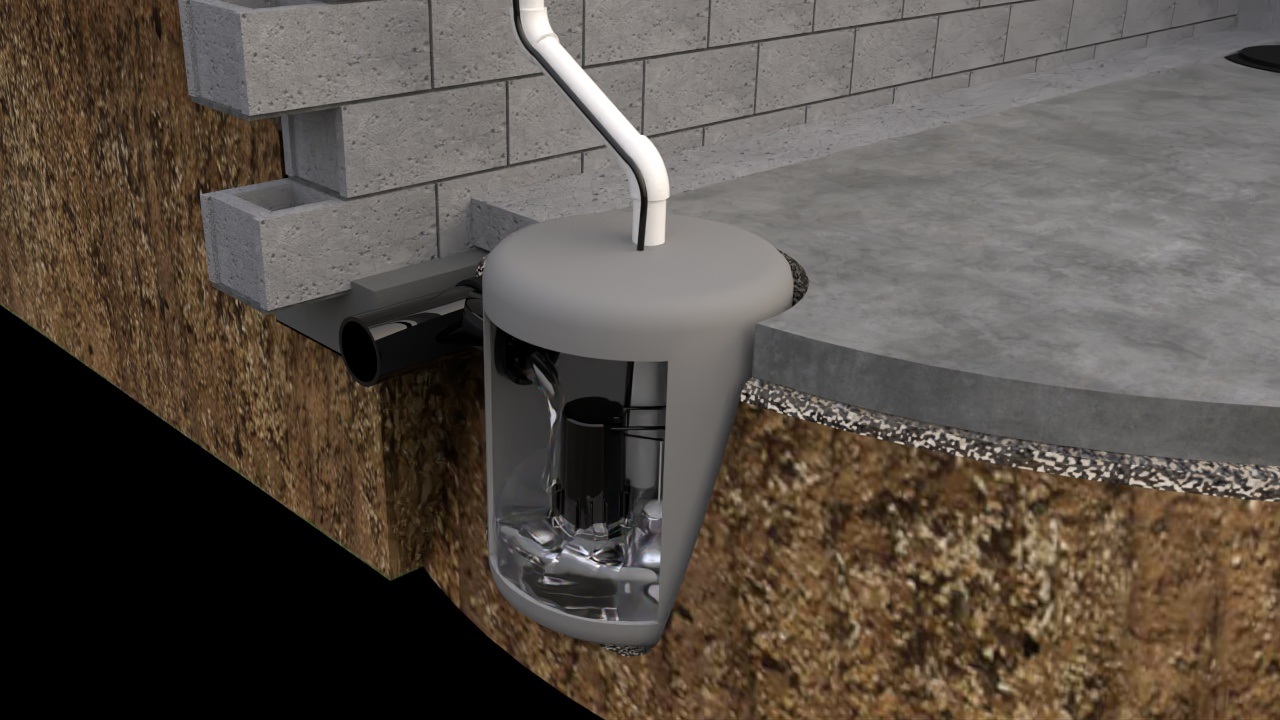
Winter often brings snowmelt and heavy rains that can overwhelm your home’s drainage systems. A sump pump is key in protecting your home from water damage during these conditions.
Here’s how it works and why it’s so effective:
- Collecting Excess Water: Sump pumps are installed in a pit or hole at the lowest point of your basement or crawl space. As snowmelt, rainwater, or groundwater accumulates, it flows into this pit instead of spreading through your basement.
- Automatic Water Removal: Equipped with a float switch, the sump pump activates automatically when water levels in the pit rise. Once on, it pumps the water out of your home through discharge pipes and directs it to a safe area, such as a storm drain or a drainage field.
- Preventing Flooding and Structural Damage: By removing water before it can accumulate, sump pumps are effective for basement flooding prevention. This helps protect your foundation from water pressure that can lead to cracks and structural issues.
- Reducing Health Risks: Standing water can lead to mold growth, which causes poor indoor air quality and health problems. A sump pump keeps your basement dry, reducing the risk of mold and dampness.
Why Professional Sump Pump Installation Is Worth It
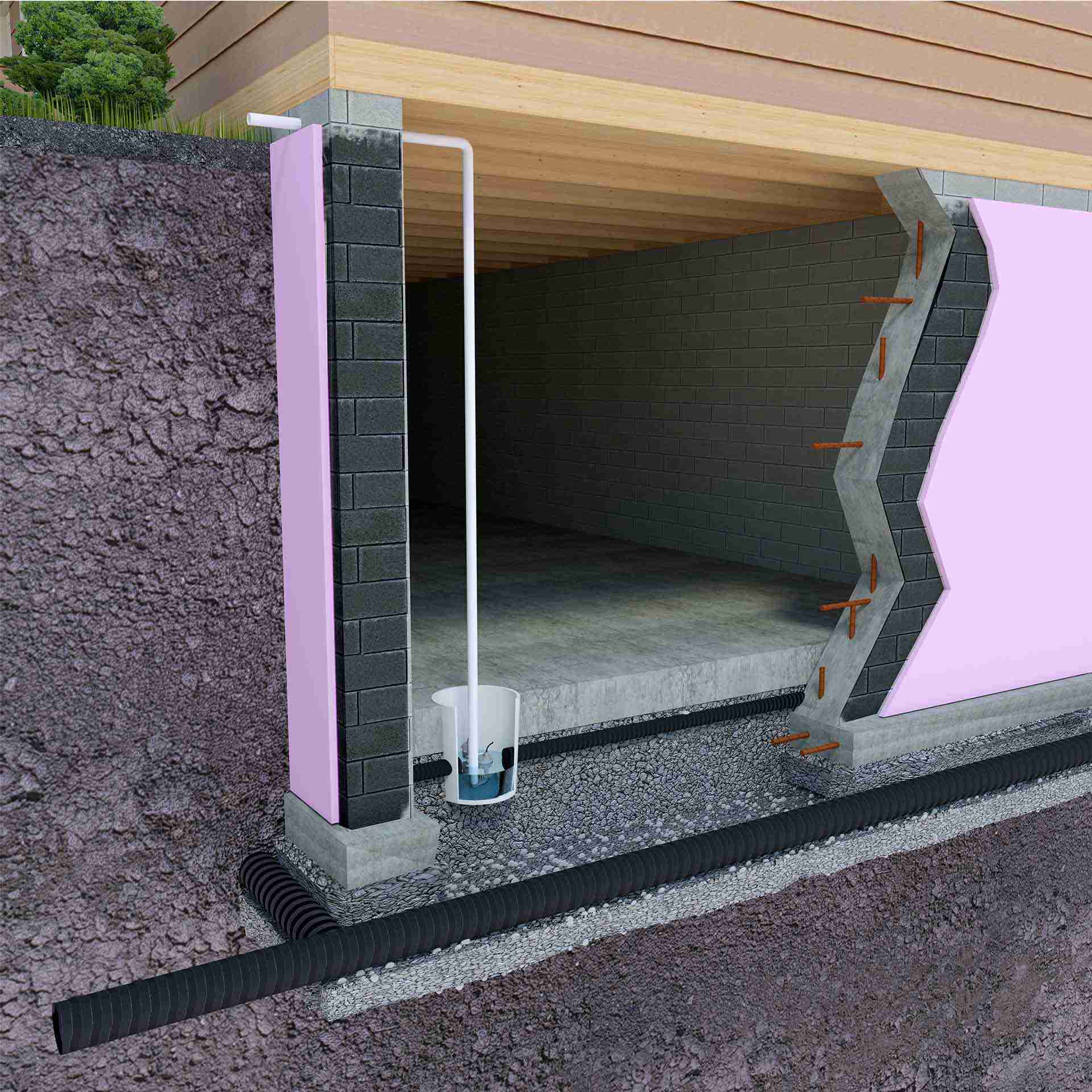
Installing a sump pump is one of the best ways to protect your home’s basement from flooding, but the quality of the installation can make a significant difference. A professional sump pump installation ensures the system works efficiently and reliably when you need it most. Here’s why hiring an expert is worth the investment:
- Proper Placement: Professionals know where to install the sump pump for maximum efficiency. They’ll identify the lowest point in your basement or crawl space to ensure water flows naturally into the sump pit. Poor placement can lead to inefficient water removal and potential flooding.
- Correct Sizing and Pump Selection: Sump pumps come in different sizes and types, including submersible and pedestal models. A professional can assess your home’s specific needs—such as water volume, soil conditions, and drainage challenges—to choose the right pump.
- Seamless Integration with Drainage Systems: A professional installation includes connecting the sump pump to proper discharge lines and drainage systems. They’ll ensure water is directed away from your home to prevent it from pooling around your foundation, which can cause further issues.
- Avoiding Common Installation Mistakes: DIY installations can lead to errors such as improper sealing, incorrect pipe fittings, or inadequate power sources. Professionals have the expertise to avoid these problems, ensuring your sump pump operates smoothly and effectively.
- Long-Term Reliability: A professional installation often has a warranty or service guarantee. This provides peace of mind knowing your system has been installed to last and you have support if any issues arise.
Winter Maintenance Tips to Keep Your Sump Pump Running Smoothly
Your sump pump is a key defense against basement flooding, especially during winter. Keeping it in top shape ensures it works when you need it most. Follow these winter sump pump maintenance tips:
- Inspect the Discharge Line: The discharge line carries water away from your home. Check it regularly for clogs, debris, or ice, as these can block water flow. Ensure the pipe extends far from your foundation to prevent water from cycling back. For added protection, insulate the pipe to avoid freezing during extremely cold weather.
- Test the Pump Regularly: Pour water into the sump pit to check if the pump effectively activates and removes the water. Listen for unusual noises or observe slow drainage, which could signal mechanical issues. Regular testing helps you catch problems early before they lead to flooding.
- Check the Power Supply: Ensure your sump pump is connected to a reliable power source. Power outages are common during winter storms, so investing in a battery backup system can keep your pump operational when needed.
- Clean the Sump Pit: Debris, mud, and sediment can collect in the sump pit over time, potentially clogging the pump or damaging its components. Keep the pit clean to allow water to flow freely and ensure smooth operation.
- Inspect the Float Switch: The float switch activates the pump when water levels rise. Make sure it moves freely and isn’t stuck or damaged. A faulty float switch can prevent the pump from turning on, leaving your basement vulnerable to flooding.
- Prevent Freezing in Cold Areas: If your sump pump is in a cold basement or crawl space, use a space heater to keep the area warm. This prevents the pump and discharge pipes from freezing, which could render the system inoperable.
- Schedule Professional Maintenance: Having your sump pump inspected by a professional before winter ensures it’s ready for the season. Experts can identify potential issues and make any necessary repairs or adjustments.
Stay Ahead Of Winter Flood Risks
Flooding can happen fast, but with the right preparation, you don’t have to deal with a soaked basement. A sump pump is your first line of defense against winter water damage. Make sure yours is in good condition before the next snowstorm or downpour. If you’re unsure where to start, we’re here to help. Let Regional Foundation & Crawl Space Repair install or maintain your sump pump so you can focus on staying warm and dry this winter.
Protect your basement from winter flooding—schedule a professional sump pump installation and basement waterproofing today.